Clothing Manufacturing Lead Time: 2026 B2B Factory Guide

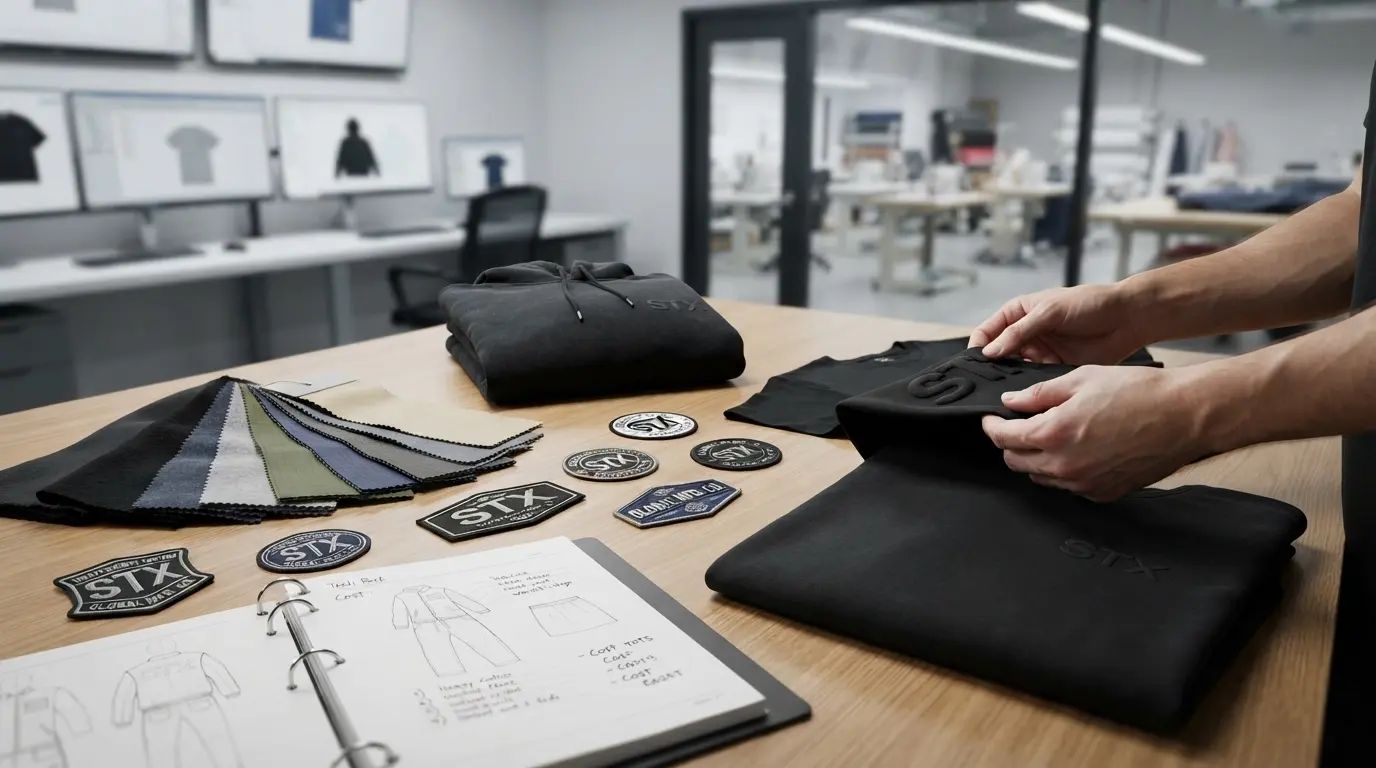
Plan custom apparel production around approvals, material readiness, factory completion and delivery. STX Garment is a B2B custom apparel manufacturer in Humen, Dongguan, China; use this guide to prepare a realistic schedule for your own collection.
Separate Production Lead Time from Arrival Time
Factory production time and delivery to your warehouse are different milestones. A launch schedule may need to include technical development, material sourcing, sample feedback, bulk production, inspection, packing, transport and destination clearance. Do not add stages mechanically: some can overlap, while others depend on approval of the previous step.
The Stages to Confirm Before Placing an Order
| Stage | What to confirm | Planning basis |
|---|---|---|
| Technical review | Tech pack version, measurements, construction, artwork and quote scope | Project-specific review before confirming the schedule |
| Materials and trims | Fabric availability, color standard, labels, hardware and finishing | Confirm availability and any supplier lead times |
| Sampling | Sample type, required materials, fit and decoration review | Usual range: 7–10 days; agree on readiness conditions and revisions separately |
| Approval | Written approval of fit, construction, finish and final specification | Allow time for buyer feedback and any re-sampling |
| Bulk production | Approved specification, size/color quantities, materials, commercial terms and production slot | Usual range: 30–45 days; confirm the agreed start and completion dates |
| Inspection and packing | Quality criteria, inspection timing, labels and packing instructions | Ask whether these are included in the quoted production period |
| Shipping and arrival | Dispatch date, freight method, destination and delivery responsibilities | Separate route-specific estimate and allowance |
What Can Change Your Clothing Production Schedule?
Fabric and component readiness
Custom colors, specially developed fabric and nonstandard trims may need separate sourcing or approval. Confirm material availability before relying on a production date. Review fabric development, trims and accessories and labels and packaging.
Fit, artwork and process approvals
Changes to measurements, pattern, artwork placement, embroidery, wash or decoration can require additional trials. Establish a single approved specification and record feedback clearly. Review product development, craftsmanship and sample support.
Order size and factory capacity
Style count, colors, size breakdown and construction complexity affect planning. Confirm a production slot for the actual order rather than treating a general estimate as a reserved date. Review factory information and MOQ and bulk pricing.
Destination and delivery requirements
Provide the destination, preferred freight method and required arrival date. Identify any buyer-required testing, documentation and inspection early, and confirm who arranges each task. Transportation and destination processing need their own allowance.
Work Backward from Your Launch Date
- Set the destination arrival target. Distinguish the latest acceptable arrival from your selling or launch date.
- Agree on dispatch and transport assumptions. Check the route with the logistics provider and allow for uncertainty.
- Confirm the factory completion milestone. Include the agreed inspection and packing plan.
- Reserve time for approval. Allow buyer feedback and any sample correction before bulk release.
- Check material readiness. Resolve fabric, colors, components and artwork before committing to dependent stages.
Use a milestone sheet with the owner, required input, target date, approval status and next action for each stage. Update it when the specification changes; confirm revised dates in writing.
Turn a Design Reference into a Production Timeline
- Choose the commercial service: Review custom hoodie manufacturing or OEM/ODM cut-and-sew manufacturing.
- Compare product examples: The washed fringe zip hoodie illustrates wash, closure and finishing decisions; the puff print and flocking sweatshirt illustrates decoration development. Confirm your own sample and specification.
- Request a schedule: Submit a tech pack, target fabric, artwork, quantities by style/color/size, packing requirements, destination and required arrival date through Request a Quote.
Ask for the quotation’s schedule assumptions, approval deadlines, material lead times and factory completion date. Browse all manufacturing references, read the custom clothing MOQ guide and compare sweatshirt cost factors.
What Is the Lead Time for T-shirt Production in China?
For a custom T-shirt order, confirm the schedule from the actual brief rather than assuming all tees share the same lead time. STX’s usual planning ranges are 7–10 days for sampling and 30–45 days for bulk production, subject to project review. Material sourcing, revisions and delivery may require separate allowances.
- Fabric readiness: ask whether the chosen composition, GSM and color are available or require development.
- Fit and construction: confirm the size chart, pattern, collar, seams and any cropped or oversized proportions before bulk release.
- Printing and washing: agree artwork, placement and the process sequence; review the effect on the intended material and finished sample.
- Order breakdown: provide quantities by style, color and size so materials and production capacity can be planned.
Ask for the sample-ready date, approval deadline, agreed bulk start, factory completion and dispatch milestones. A ready material or repeat design may reduce development work, but does not guarantee a reserved production slot. Review custom T-shirt manufacturing and T-shirt MOQ planning before requesting a schedule.
Frequently Asked Questions
How long does custom clothing manufacturing take?
STX Garment’s usual planning ranges are 7–10 days for sampling and 30–45 days for bulk production. Confirm the starting conditions and schedule for the actual project; development revisions, custom materials and transport can add time.
When does the bulk production timeline start?
Agree on the start date in writing after the required sample, specification, materials, commercial terms and production slot have been confirmed. Inquiry submission alone does not start bulk production.
Does production lead time include shipping?
Treat factory completion and destination arrival as separate milestones. Confirm the shipping method, dispatch date, transit estimate, customs and delivery allowance for the destination.
Can a repeat order be faster?
An unchanged specification and approved materials can reduce development work. Check fabric and trim availability, capacity and any requested changes before confirming a repeat-order schedule.
Can an urgent order skip sampling?
Skipping approval can create fit, construction and decoration risk. Ask which tasks can run in parallel while retaining the approvals needed for the project.
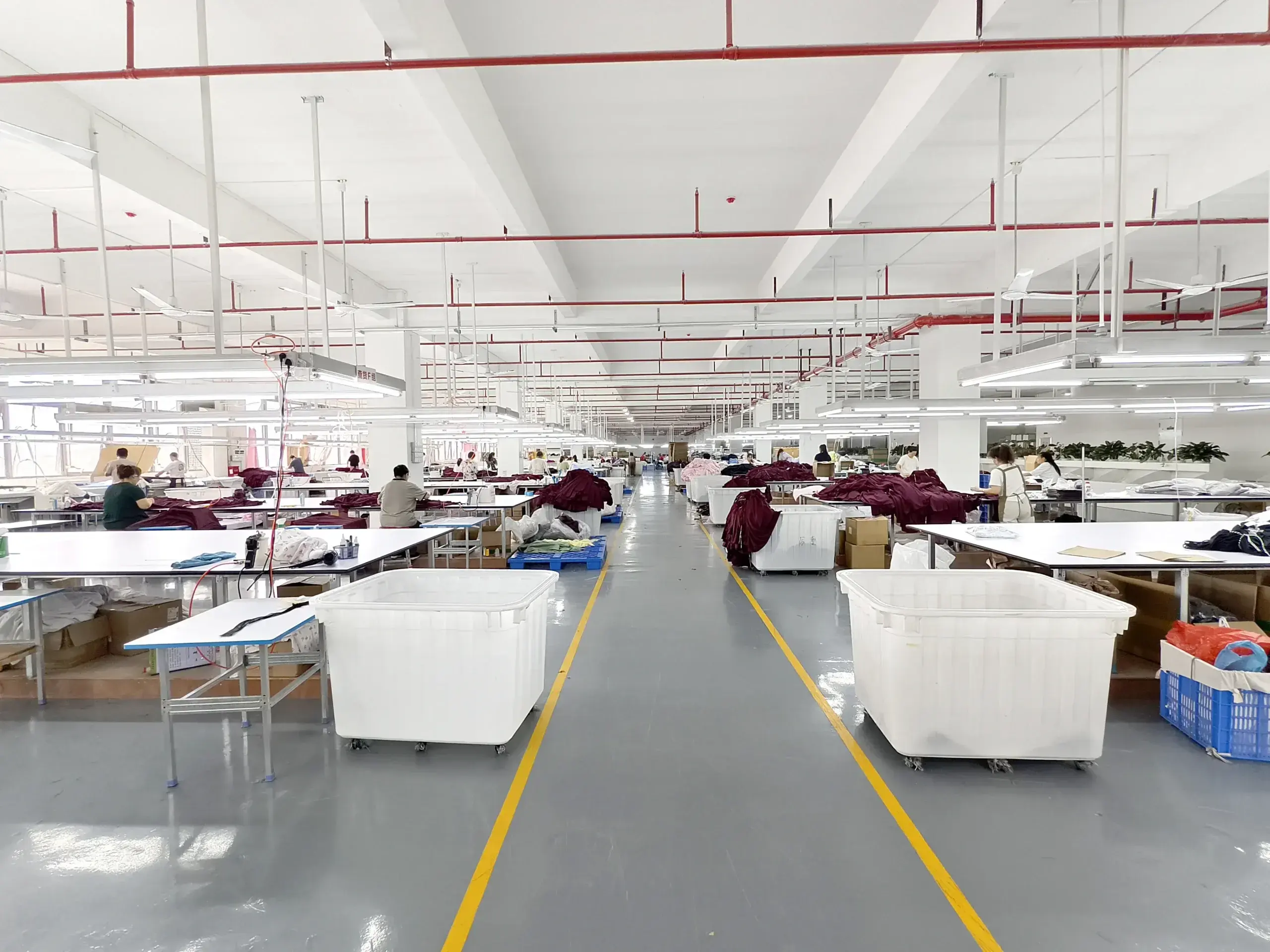
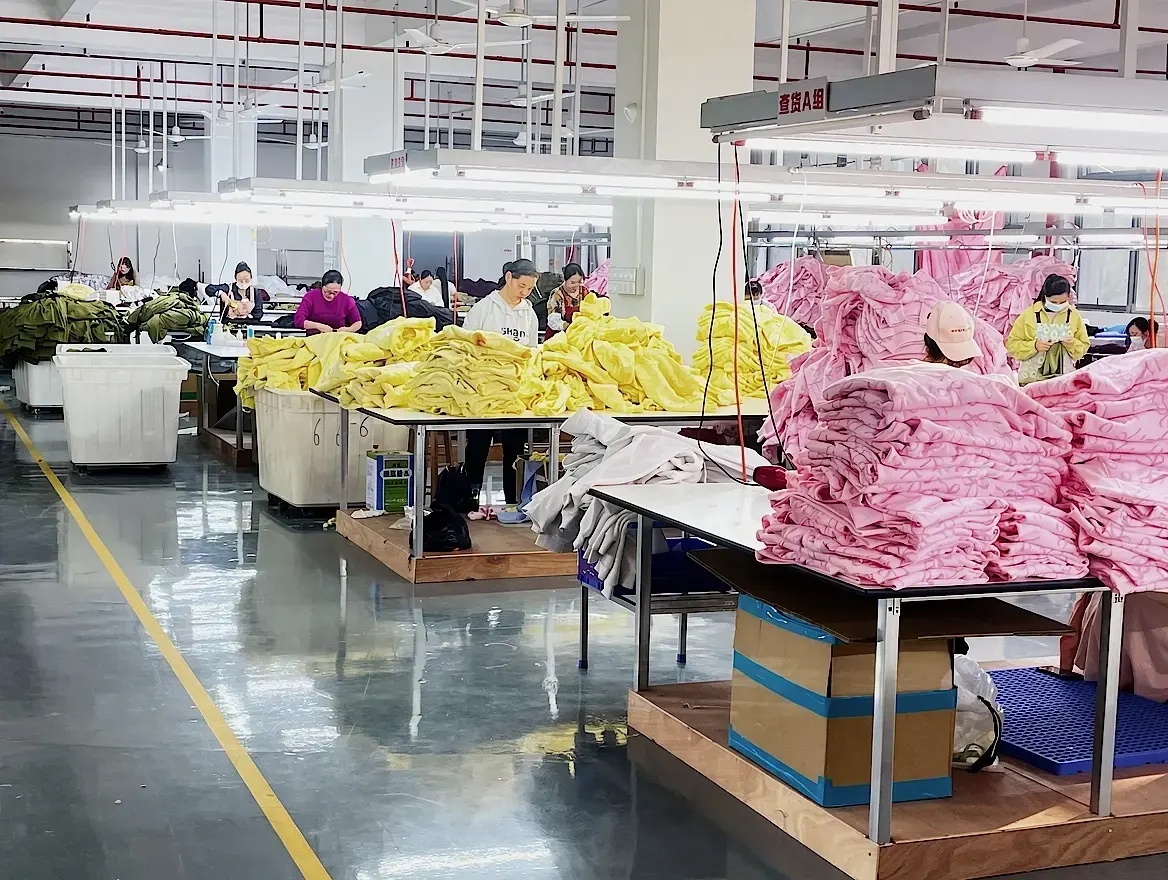
Existing Development Reference Images
Review these images as context for development discussions. They do not establish a delivery commitment for a new order.
Plan Your Custom Apparel Project
Send the complete brief so material, sample and production requirements can be reviewed together. Request a project quotation and timeline.