Custom Apparel Fabric Development & Sourcing
STX Garment supports apparel fabric development and sourcing for streetwear tees, hoodies, knitwear and matching sets. Match composition, GSM, drape, comfort and decoration to your design, then approve a physical swatch and garment sample before bulk production.
JERSEY & TERRY
FLEECE & WOVENS
GSM & COMPOSITION
SAMPLE APPROVAL
Apparel Fabric Development Starts with Your Product
STX Garment develops and sources cotton jersey, French terry, brushed fleece, washed cotton, mesh, nylon and woven fabrics for custom apparel. We review composition, weight, surface, drape, shrinkage and decoration compatibility against your product brief, target cost and production quantity.
Apparel Fabric Development: Material Options
We recommend materials according to garment type, target price, season, design direction, decoration method and bulk production needs.
Apparel Fabric Development: From Reference to Specification
You can describe the intended feeling: heavyweight, dry, soft, vintage, structured, breathable, premium or sporty. We translate that direction into fiber content, knit structure, GSM, color, finishing and testing requirements.
- Color matching, washing trials and shrinkage review
- Stock-fabric sourcing for faster sampling and flexible MOQ
- Custom fabric matching for signature brand blanks
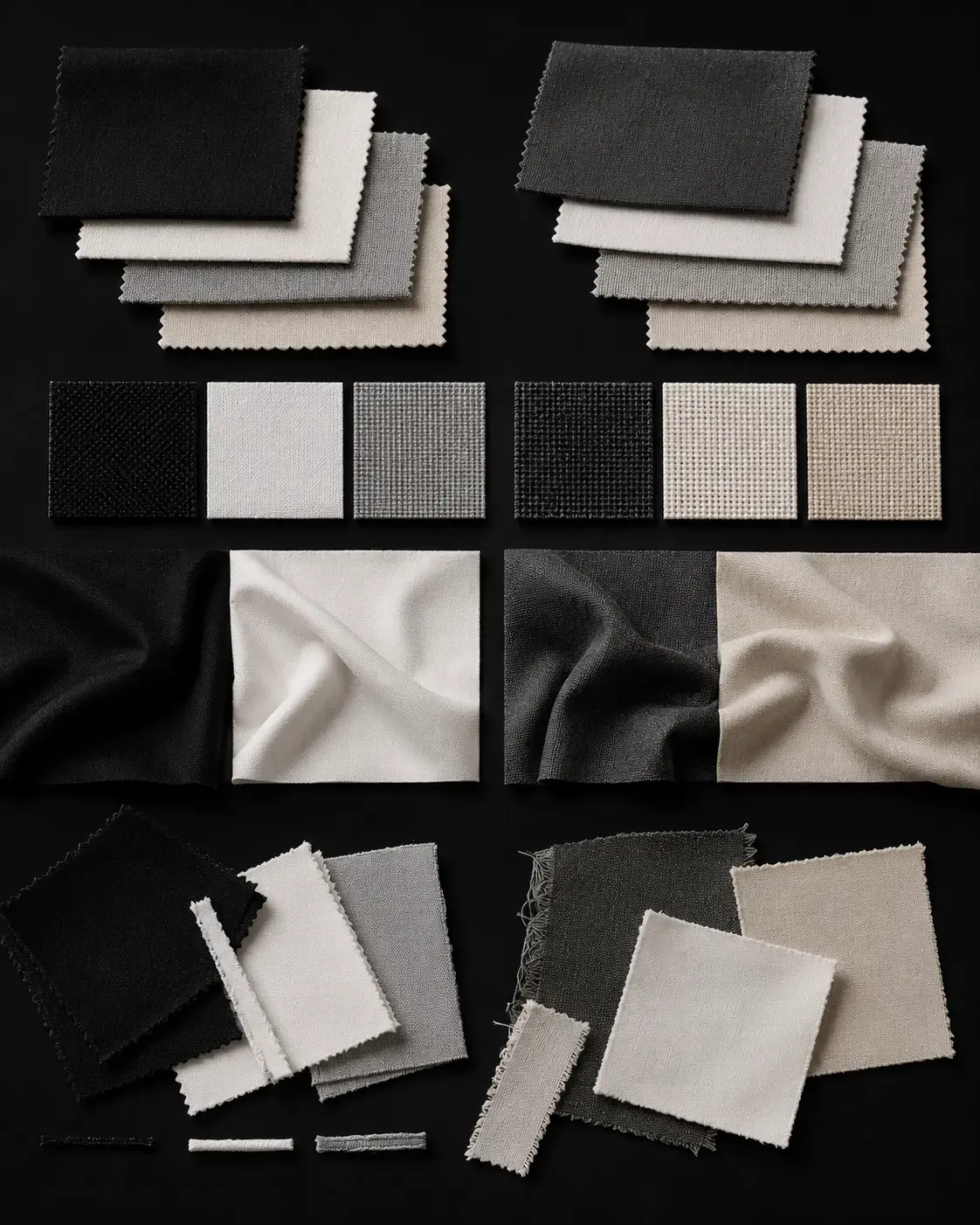
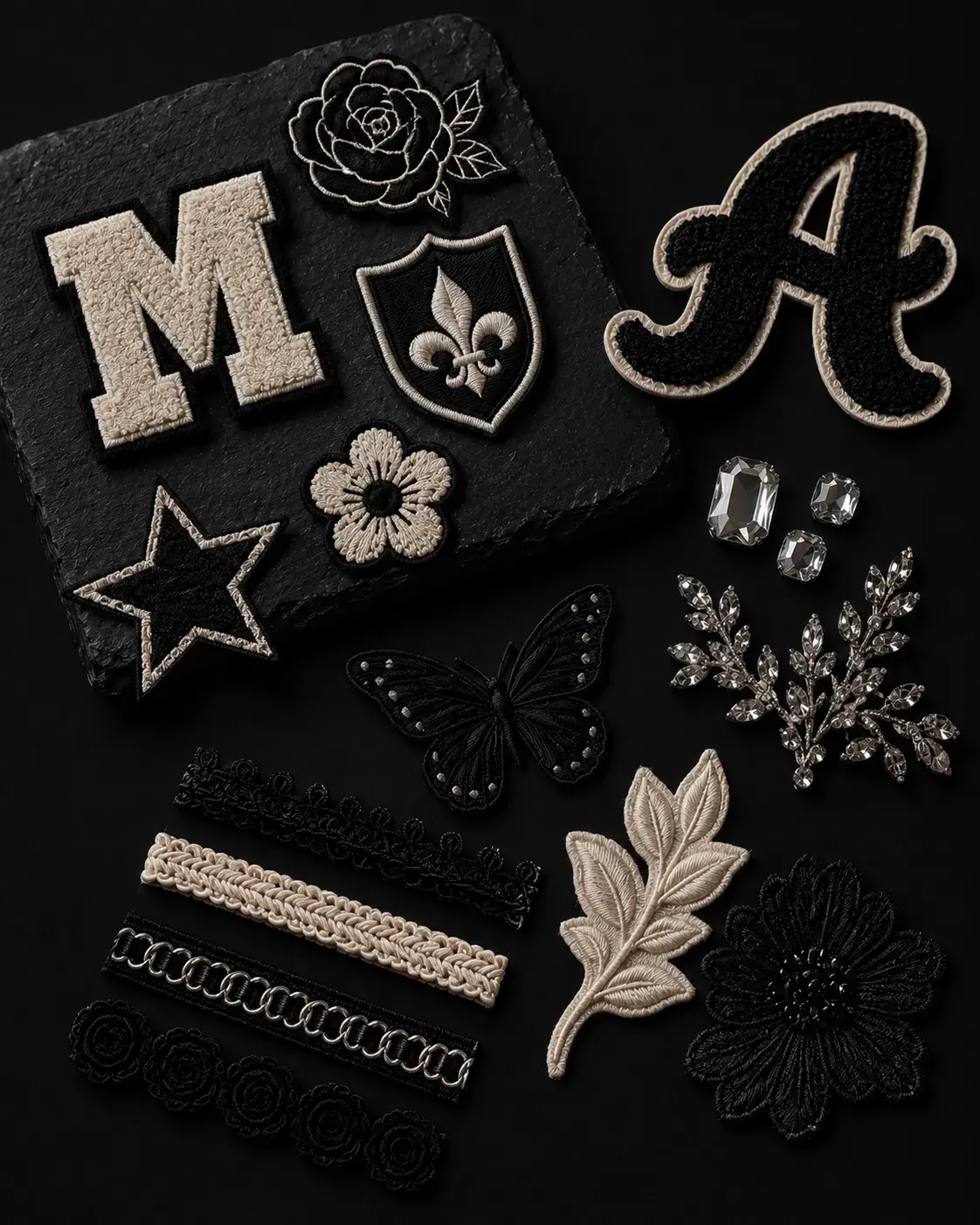
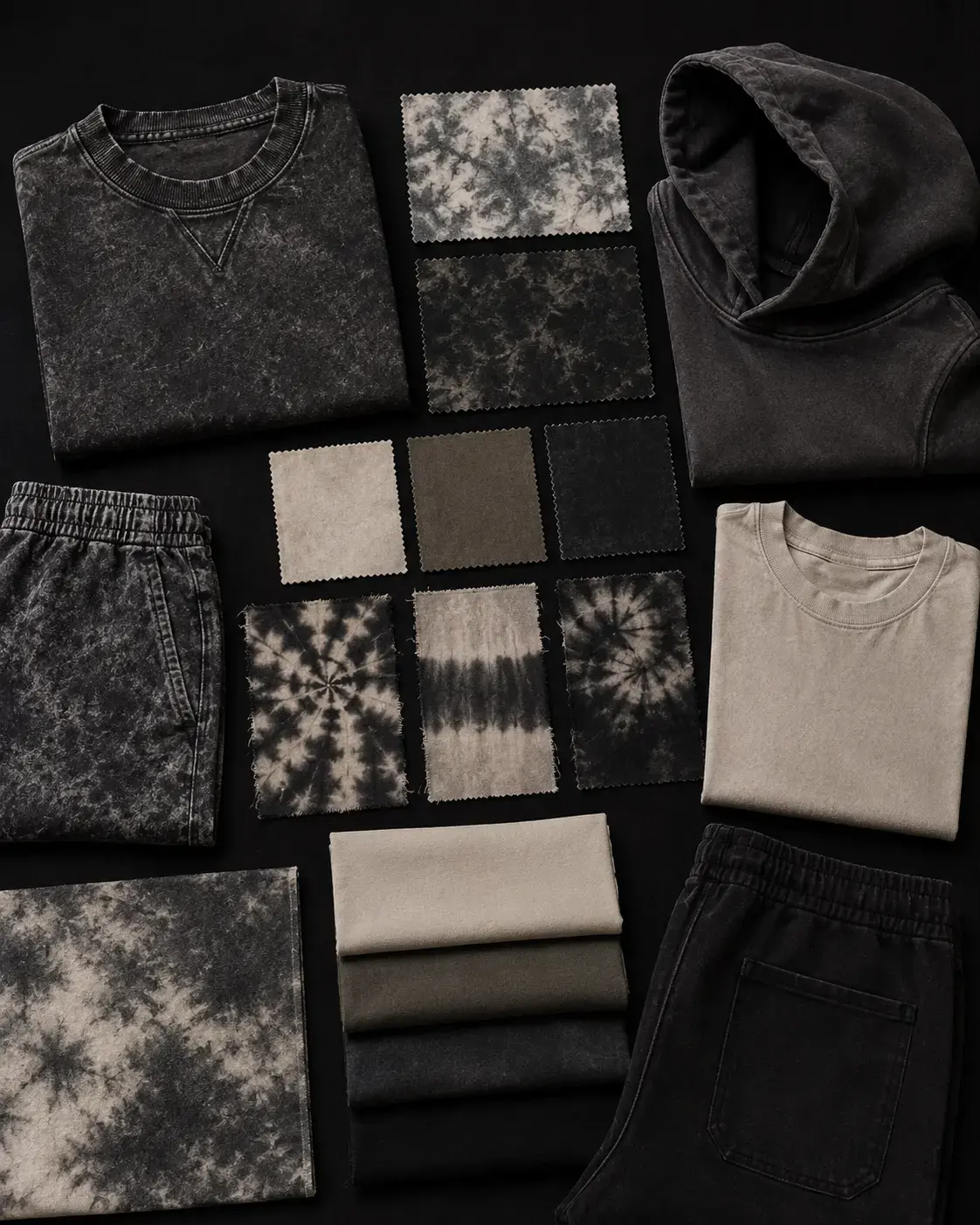
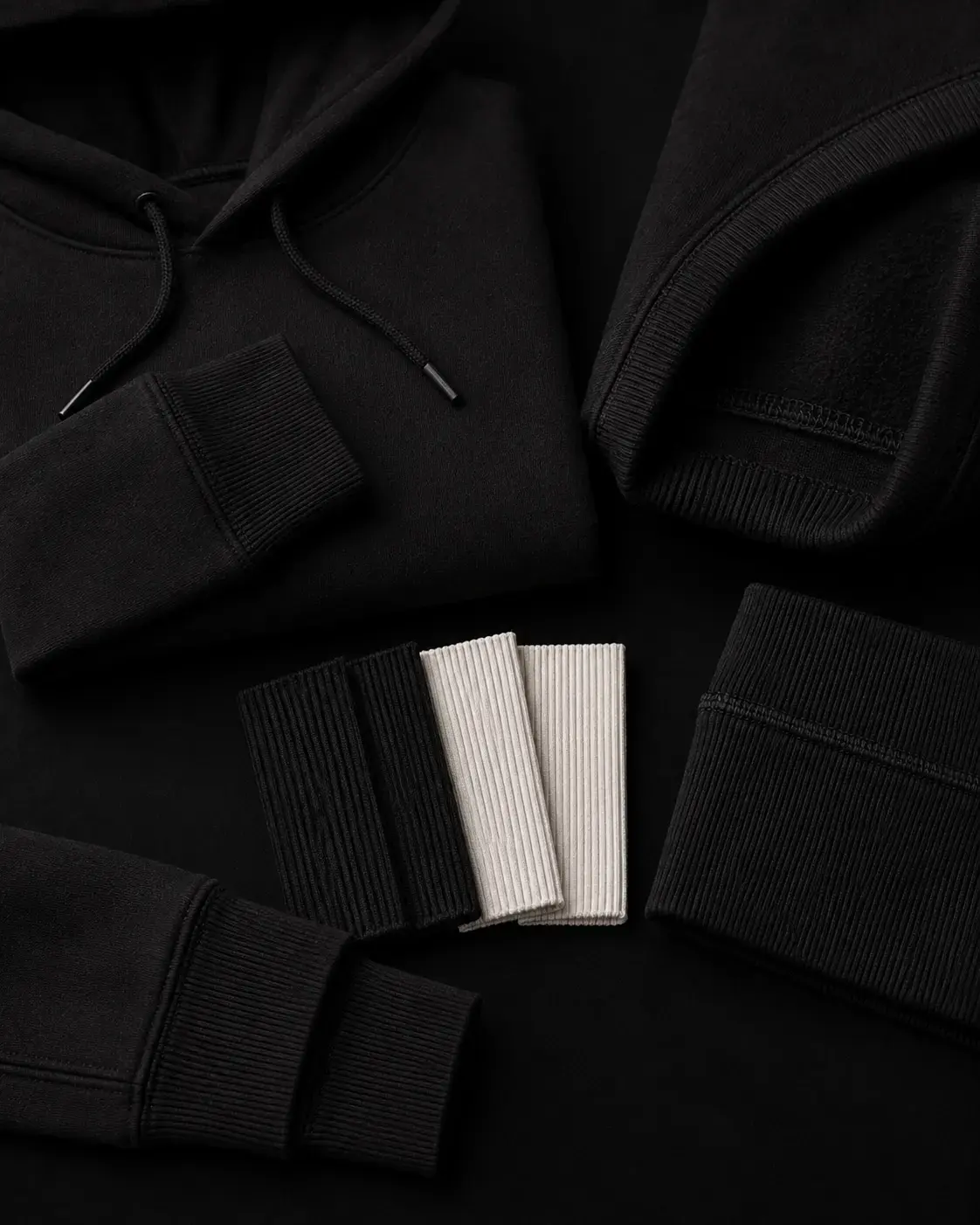
These existing STX website images illustrate development references. They are not laboratory results or proof of a specific fabric composition or GSM. Confirm your project with labeled swatches and test records.
Questions Before Choosing Fabric
Yes. Reference photos, target fit, hand-feel direction, season and target price can help us recommend practical fabric options.
French terry and brushed fleece are common options. The right choice depends on structure, softness, warmth, shrinkage and desired streetwear silhouette.
Yes. Custom color, garment dye, enzyme wash, acid wash and faded effects can be reviewed based on quantity, fabric type and production timeline.
Please provide garment type, target GSM, composition, color, texture, finishing, quantity, decoration method and reference images if available.
Yes. Stock fabrics usually support more flexible development, while custom dyeing, special structures and unique finishes may require higher minimums.
Fabric hand feel, shrinkage, color and decoration compatibility can be checked through sampling and pre-production confirmation.
Apparel Fabric Development: Buyer Approval Questions
Apparel Fabric Development: French Terry or Brushed Fleece?
Compare the loop-back or brushed reverse side, warmth, drape and intended season using physical swatches. Specify fiber composition and GSM separately; these terms describe different material properties. Approve the fabric in a garment sample with its ribbing, seams and decoration.
Apparel Fabric Development: Does Higher GSM Mean Better Quality?
No. GSM describes fabric weight per unit area, not a complete quality grade. Compare knit or weave, composition, finish, opacity, stretch recovery and the intended fit. Two materials with the same GSM can behave differently in a finished garment.
Apparel Fabric Development: How Is Shrinkage Verified?
Agree on the wash and drying method, measurement points and acceptable tolerances. Record the sample dimensions before and after the agreed treatment, and check decoration appearance and seam distortion. Request project-specific results; reference photos cannot establish shrinkage performance.
Use the fabric GSM guide to prepare your specification. Coordinate care instructions with your actual fabric, trims and decoration; consult GINETEX textile care guidance for care-label terminology.
Apparel Fabric Development: GSM Guide
GSM means grams per square meter: the weight of a fabric per unit area. Use the ranges below as starting points for development. The same GSM can feel different with another composition, knit structure, finish or thickness; confirm a physical swatch and garment sample before bulk approval.
| Fabric weight | Product direction | What to review |
|---|---|---|
| 180–240 GSM | Lighter T-shirts | Opacity, drape, hand feel and print surface |
| 260–300 GSM | Heavyweight T-shirts | Structure, fit balance, shrinkage and decoration |
| 320–380 GSM | Sweatshirts and matching sets | Loop-back or brushed construction, stretch and recovery |
| 400–450 GSM | Heavyweight hoodies | Warmth, bulk, hood construction, seams and wash behavior |
| 500+ GSM | Ultra-heavy streetwear | Garment weight, comfort, construction and process suitability |
Apparel Fabric Development and Craft Compatibility
- Cotton jersey: Review surface, composition and color for graphic printing; check fit and shrinkage after the intended wash.
- French terry or brushed fleece: Review loop-back or brushed hand feel, GSM, rib recovery and seam construction for hoodies, sweatshirts and sets.
- Washed cotton: Approve the wash recipe and appearance together with shrinkage and decoration trials.
- Mesh, nylon and woven fabrics: Confirm composition, garment function and the suitability of heat, stitching, dye and finishing processes.
Discuss printing, embroidery, washing and embellishment with the fabric choice. Use sampling to review artwork detail, backing, puckering, wash effects and the order of operations; a technique should be approved on the actual project material.
From Fabric Capability to Product Application
Connect your material plan to custom hoodie manufacturing, custom T-shirt manufacturing and manufacturing references. For a related decorated sweatshirt example, review our French terry sweatshirt with flocking reference. Reference styles illustrate product direction; confirm the fabric and final specification for your own order.
Coordinate ribbing, zippers and trims, private labels and packaging and sample approval before bulk manufacturing.
Prepare Your Apparel Fabric Development Brief
- Garment type, reference photos, target fit, wearer and season
- Fiber composition, knit or weave, target GSM and hand feel
- Color reference, wash or finish, artwork and decoration requirements
- Quantity per style and color, sample needs, budget and target delivery date
- Shrinkage, colorfastness and other applicable material testing requirements
Stock materials and custom fabric or dyeing can have different supplier minimums, costs and lead times. Review project MOQ and bulk pricing and product development before finalizing the fabric plan.
Send your design, target garment type and fabric direction. STX Garment will help you build a production-ready material plan.