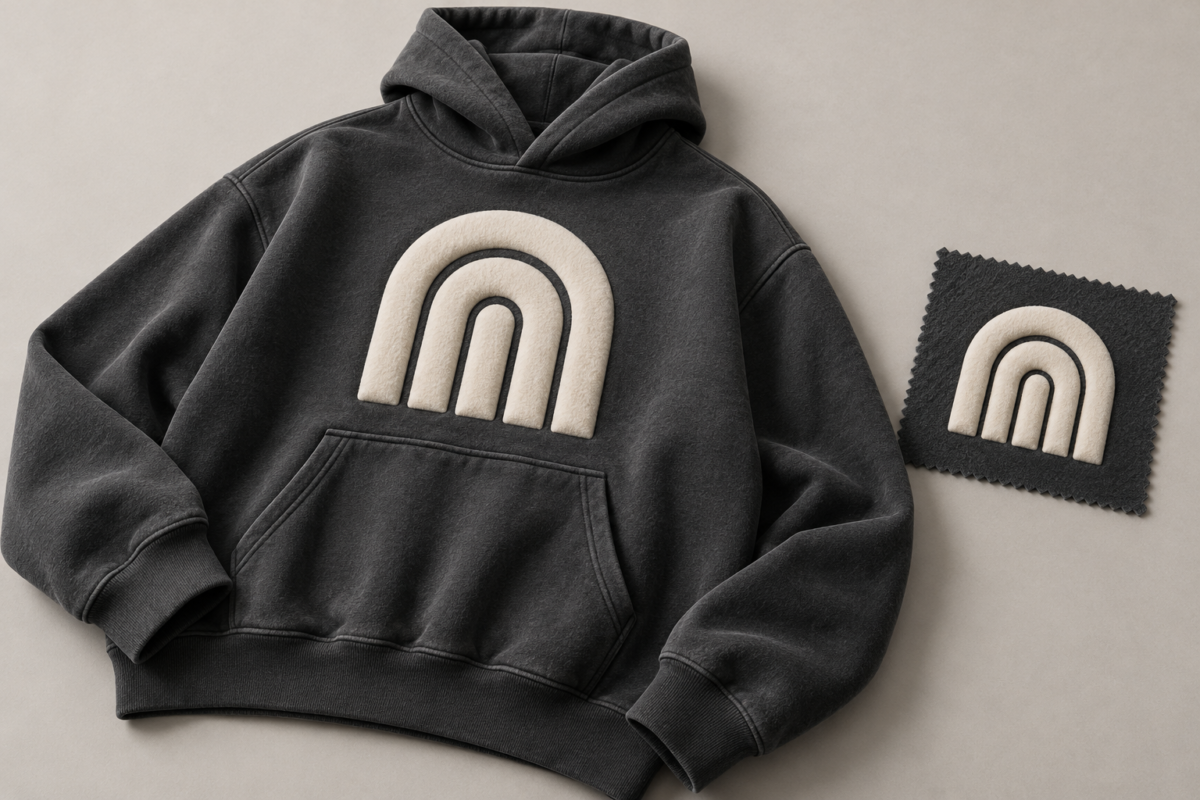
Hoodie Embroidery Puckering: Specify Backing and Stitch-Outs

Choose backing, artwork and stitch-out approvals for heavyweight hoodies. Build a practical embroidery sampling plan before bulk production.
Fabric and craftsmanship choices determine how custom streetwear feels, fits and performs. This collection helps clothing brands compare fabric GSM, fiber content, knit structure, printing, embroidery and garment washing before sampling.
Start with our fabric GSM guide and printing and embroidery comparison. Weight alone does not specify softness, drape or durability. Review the intended hand feel, artwork, wash finish and care requirements together, then confirm the approved material and decoration on a sample.
STX Garment supports custom streetwear and heavyweight hoodie development in Dongguan, China. Explore fabric development and craftsmanship capabilities. For project-specific advice, send your design, quantities and finish requirements. Technical feasibility and final specifications require project review.